


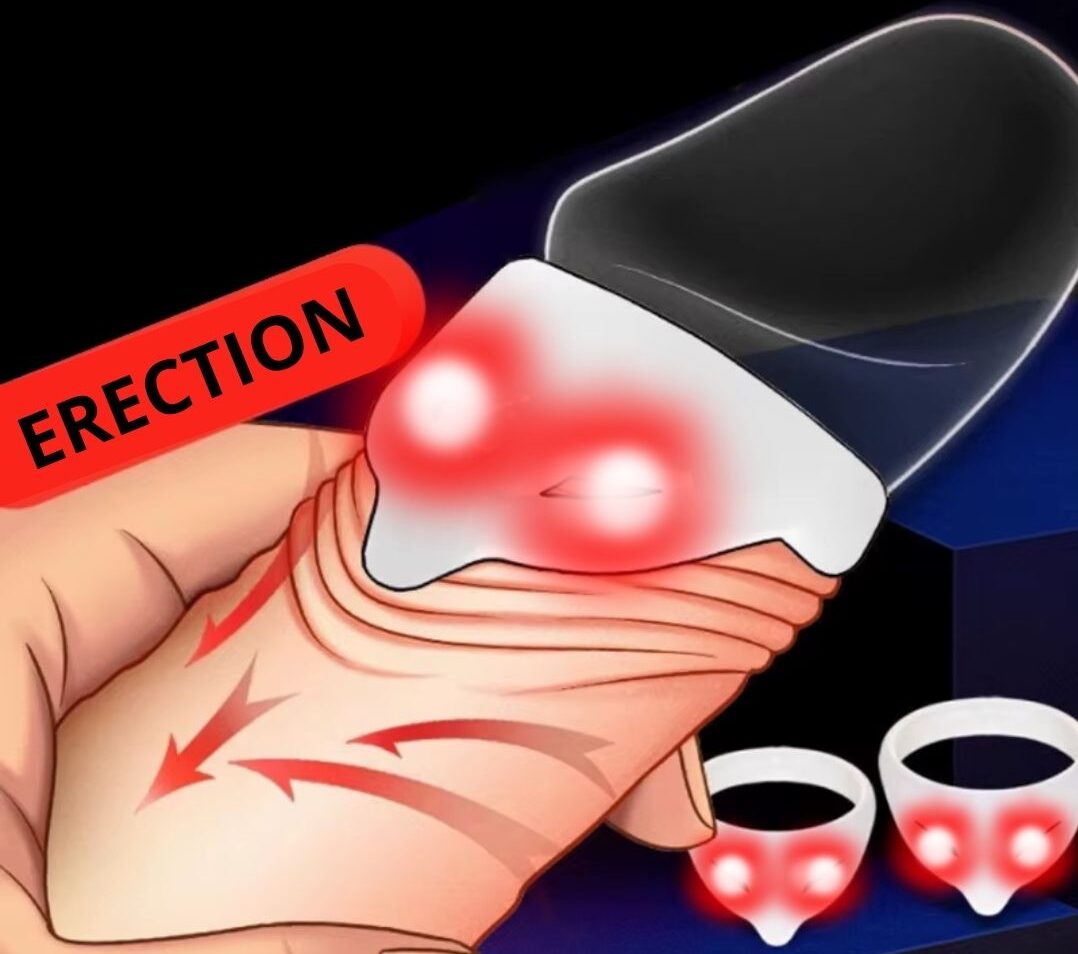

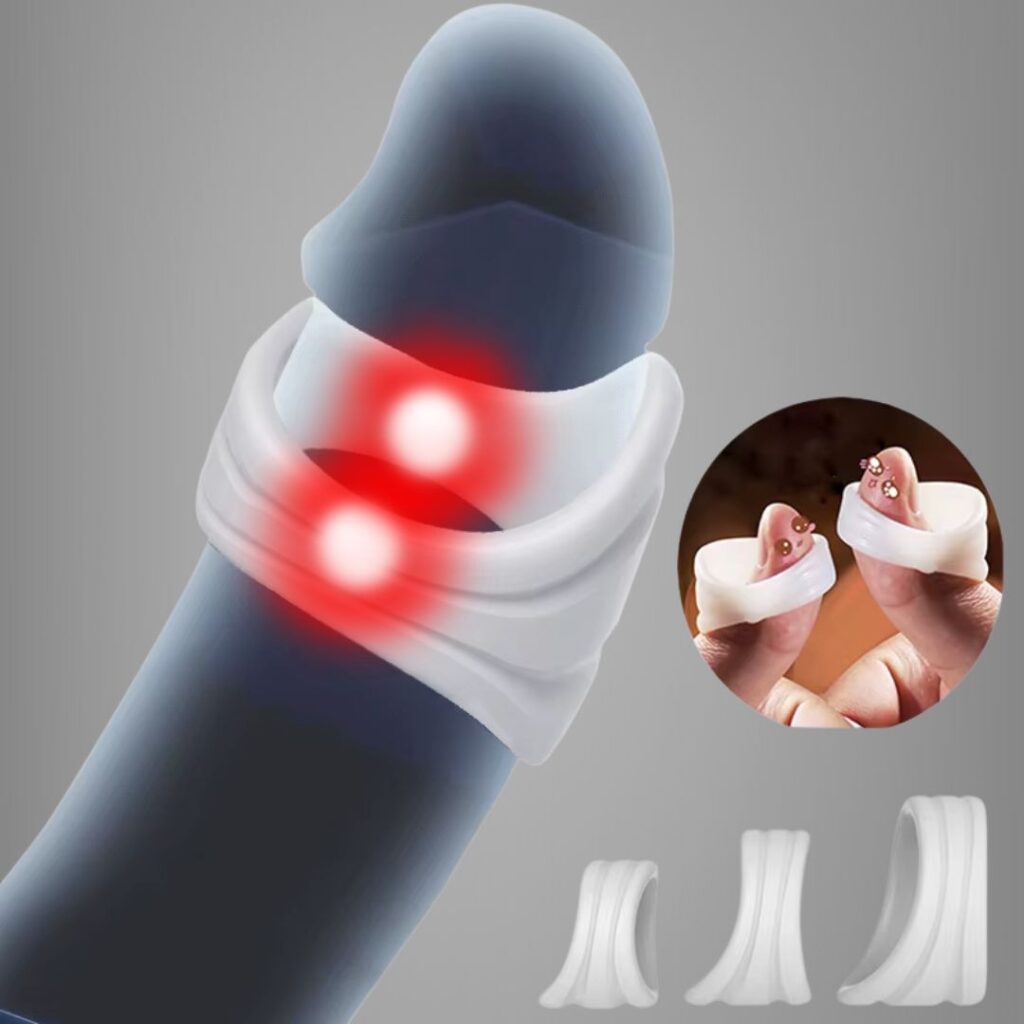




There is a 2-minute cold trick that forces full blood flow back into the penis.

British men over 50 are only just finding out about it.

You remember when your erections were automatic

Not something you thought about, not something you prepared for — they simply happened. Reliable. Full. Instant.

Then, gradually, that changed.

The erection during sex started requiring more effort.

More concentration. More time.

Some nights it arrived weakly and faded before it should.

Some mornings you woke up to nothing — no morning erection, no signal from your body that everything still worked.

You blamed age.

You blamed stress.

You blamed the drinking, the years, the medication.

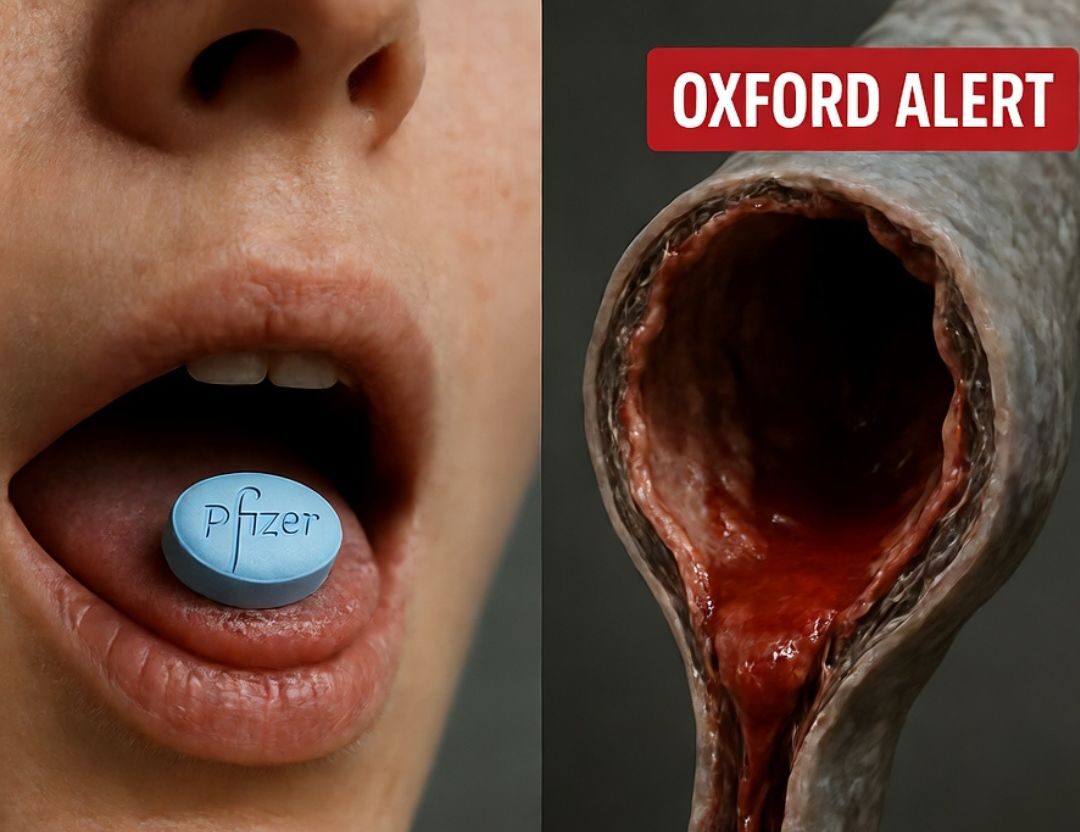
Maybe you tried one of the blue pills.

Maybe it worked for a while.

Maybe it’s working less reliably now.

None of those explanations are correct. And an Oxford-trained vascular researcher has spent the last seven years proving exactly why.

Her name is Dr. Elena Vance

She wasn’t studying erectile dysfunction.

She was studying vascular constriction and cold-stimulus response in men with cardiovascular risk profiles — specifically how the body’s blood vessels respond to rapid temperature change.

What she found, buried inside thermal imaging data from men aged 45 to 72, explained everything.

And it has nothing to do with testosterone, nothing to do with desire, and nothing to do with age.

It has everything to do with what happens to the blood vessels inside your penis every single day — and why, after 45, those vessels stop responding the way they’re supposed to.

You know the scene.

You’re with her.

You want her — completely, genuinely.

Your mind is entirely present.

And then you reach the moment where your penis should respond — and it doesn’t.

Or it does, but not fully.

Or it starts to, and then fades.

Not pain.

Not disinterest.

A gap — between wanting her and your body responding to that want.

You watched her face.

You wondered if she noticed.

She did.

She said nothing.

That night you told yourself it was a one-off.

Then it happened again.

And again.

And the gap between desire and erection kept getting wider.

What your GP never explained — what no urologist, no consultant, no supplement brand has ever told you — is that the real cause of this has nothing to do with what’s happening during the day.

It has everything to do with what’s happening inside the blood vessels of your penis right now — and what stops happening after 45.

What actually happens inside your penis after 45

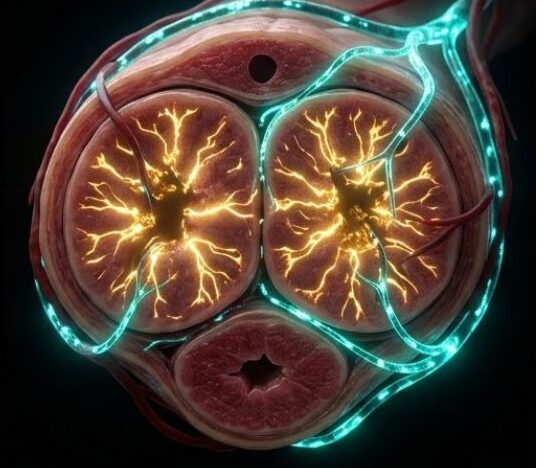
Your penis is a vascular organ.

That’s not a metaphor — it is, literally, almost entirely composed of blood vessel tissue.

Erection is not a muscular event.

It is a vascular event.

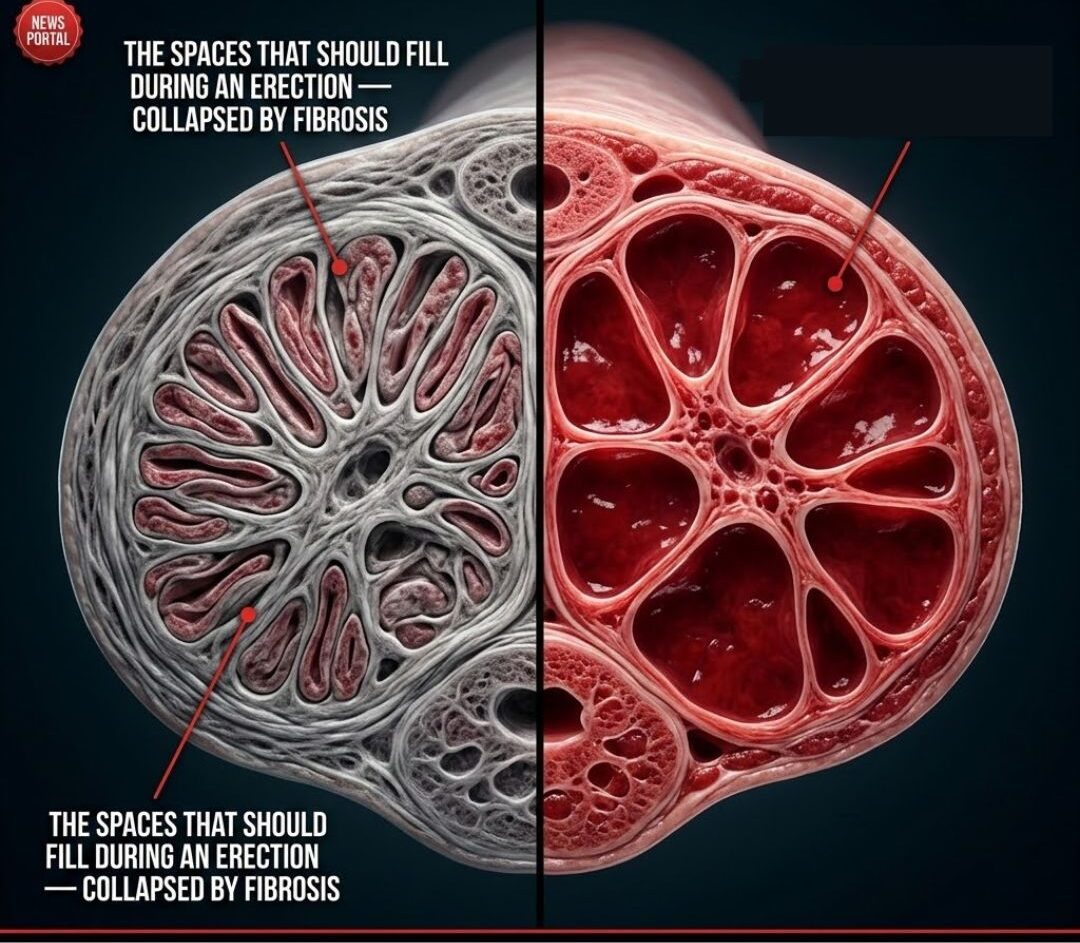
Blood enters the erectile chambers, the tissue expands, the penis becomes firm.

When you’re young, this happens automatically because your vascular tissue is elastic, responsive, and capable of rapid dilation.

Blood floods in instantly.

The erection is immediate, full, and sustained.

After 45, something specific begins to happen to the vascular tissue inside the penis.

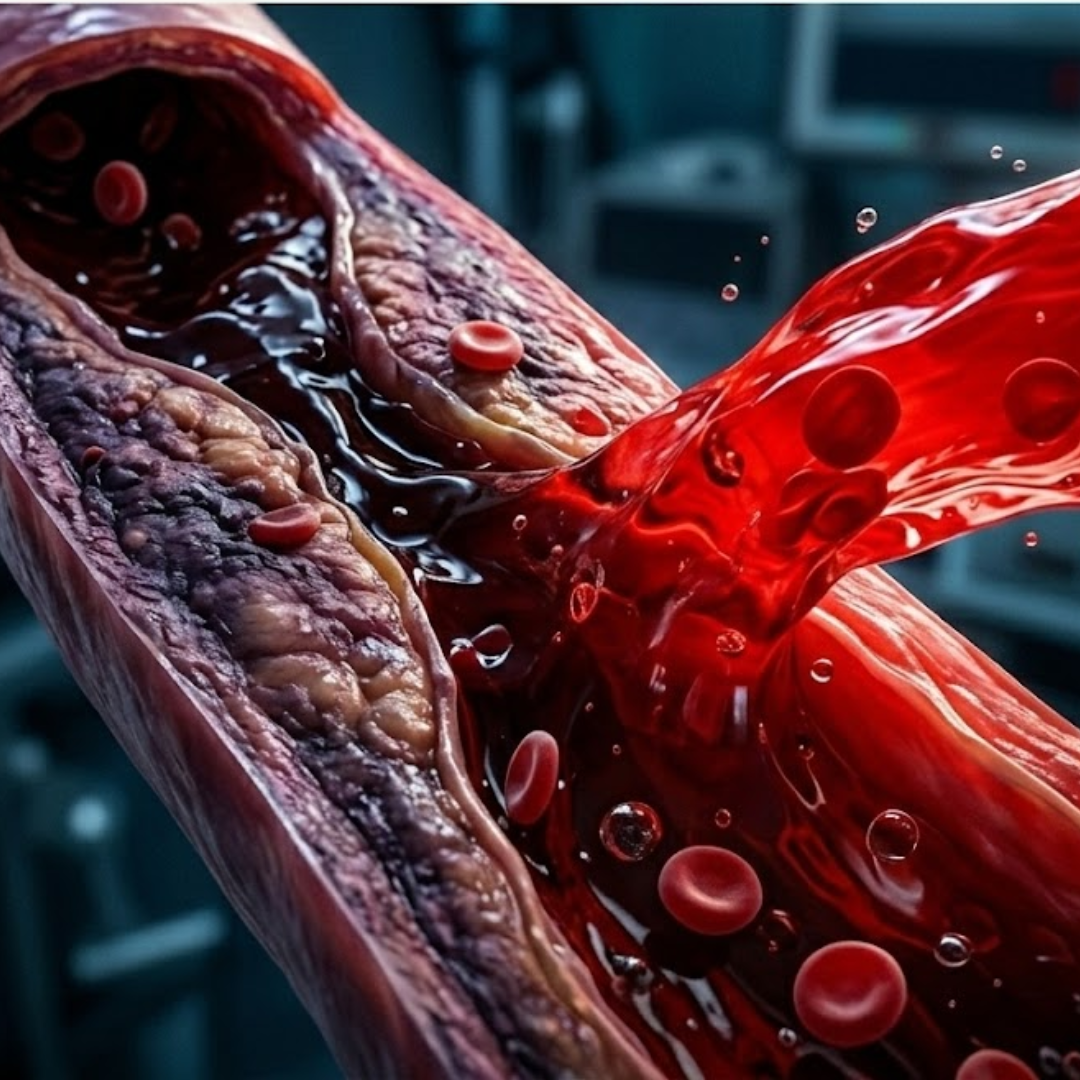
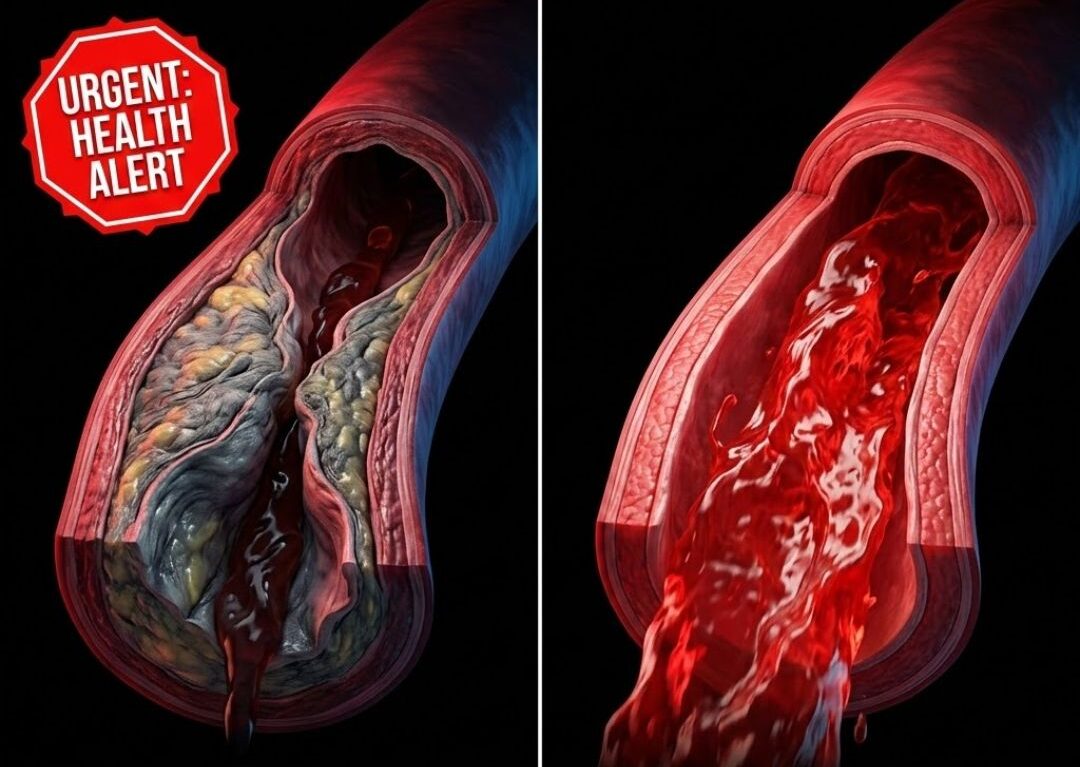
The smooth muscle walls of the blood vessels begin to lose their elasticity.

The technical term is vascular fibrosis — the gradual stiffening of tissue that should remain supple and responsive.

The result: blood struggles to enter fast enough.

The erection that should be automatic becomes effortful.

Partial.

Unreliable.

And over time — absent.

This is not age.

This is not desire.

This is a specific, measurable deterioration in vascular tissue — and it can be reversed.

Dr. Vance’s research revealed the mechanism. And more importantly — it revealed the trigger that forces those blood vessels to restore their own elasticity.

Think of erectile tissue as a sponge.

Young, it is soft, supple, elastic — blood floods in effortlessly.

But over years, through stress, poor sleep, alcohol, medication, and the gradual stiffening of vascular walls, that sponge begins to harden.

Blood cannot enter fast enough. The erection fails.

Viagra tries to force more blood into a sponge that has gone rigid.

Sometimes enough pressure gets through.

Often it doesn’t — which is why Viagra works at 48 and begins to fail at 58.

The tissue has stiffened further.

And each failed attempt gives the underlying tissue more time to deteriorate.

Testosterone supplementation pours fuel into an engine whose blood vessels have narrowed.

Neither addresses the vascular tissue itself.

Neither restores the elasticity that makes erections automatic in the first place.

What does restore it — what Dr. Vance’s research proved — is a controlled cold stimulus applied directly to penile tissue.

The Oxford Cold Discovery

Dr. Elena Vance was not looking for a solution to erectile dysfunction.

She was studying how vascular tissue responds to rapid temperature change — specifically the rebound effect that occurs when cold is applied to blood vessels and then removed.

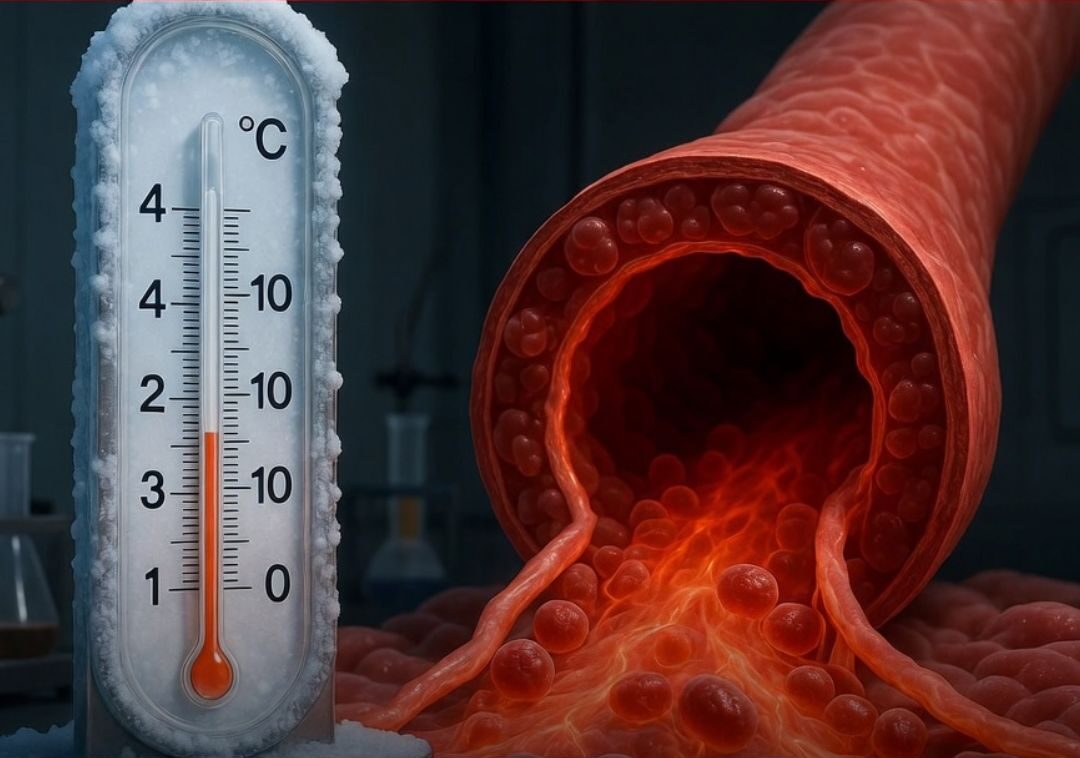
The mechanism is called cold-induced vasodilation

When cold is applied to vascular tissue, the blood vessels constrict.

When the cold is removed, the body compensates — flooding the tissue with blood in a surge that is dramatically stronger than normal baseline flow.

In athletes, this is used for recovery.

In cardiovascular medicine, it is used to test vessel responsiveness.

Dr. Vance was studying it in the context of arterial health.

What she noticed — buried inside the thermal imaging data of her male participants — changed the direction of her research entirely.

The men with the highest vascular responsiveness to cold stimulus were reporting, unprompted, in their wellbeing questionnaires, that their erections had returned.

Morning erections after years of absence.

Full erections during sexual intercourse.

Faster response time.

Greater firmness.

“We were measuring vascular elasticity, not sexual function. These men were volunteering this information because they considered it the most significant physical change they had experienced in years. We could not ignore it.”  — Dr. Elena Vance, Oxford Vascular Research Unit

Vance pivoted

She began mapping the relationship between controlled cold stimulus applied to penile tissue, vascular rebound response, and erectile function in men aged 45 to 72.

The data was unambiguous. Cold stimulus — applied correctly, for the right duration, at the right temperature — forced the vascular tissue of the penis to restore its own elasticity.

The rebound effect flooded erectile chambers with blood.

Morning erections returned.

Sexual intercourse improved.

Response time shortened.

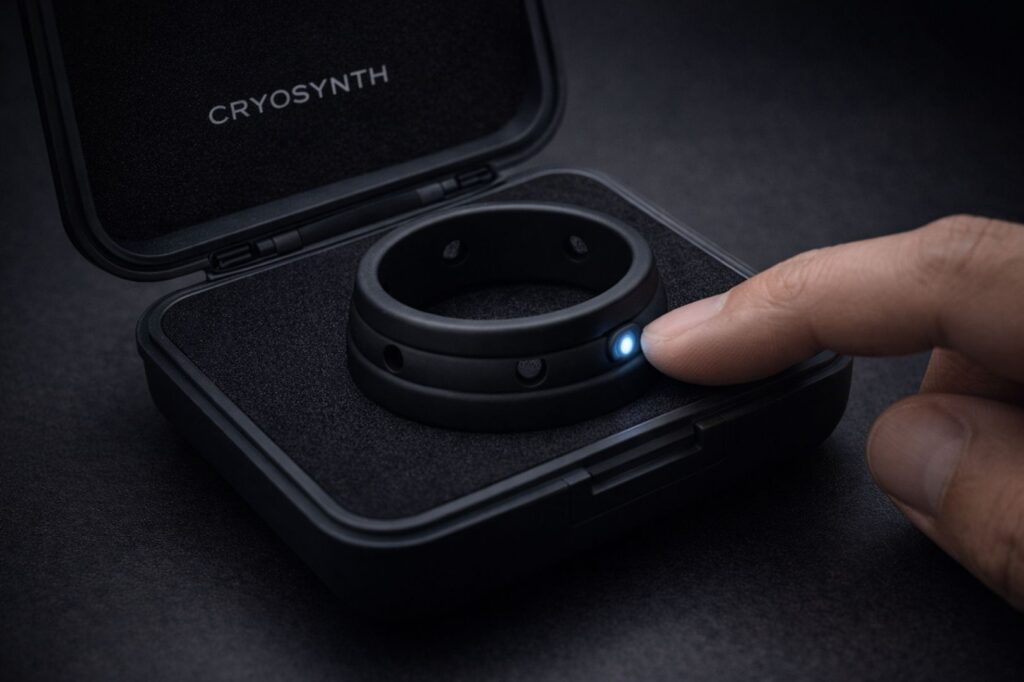
After two years of protocol refinement, Dr. Vance’s method was engineered into a single, precise device. CryoSynth.

Introducing Cryosynth

The world’s first cold-stimulus vascular device engineered specifically for male erectile restoration.

CryoSynth is not a pill. Not a supplement. Not a prescription.

It is a precision cold-stimulus device — applied directly to the penis for two minutes — engineered to trigger the cold-induced vasodilation response, force a vascular rebound, and restore the elasticity of erectile tissue that makes full, automatic erections possible again.

How to use it:

You don’t take it before sex. You don’t time anything around intimacy.

Two minutes. Every day. Your blood vessels do the rest.

What comes back

The Compound Effect — unique to CryoSynth:

Weeks 1–2: Daily use. Vascular rebound begins retraining tissue elasticity. Morning erections return.

Weeks 3–4: Elasticity compounds. Erections during sex improve in firmness and reliability.

Month 2+: Tissue has restored enough that results sustain between sessions. Less frequent use, equal results.

You are not building dependency.

You are restoring the vascular function your body already knows how to produce.

“Will anyone know what I’ve ordered?”

No. CryoSynth ships in a plain matte outer box with no product name, no branding, and no indication of contents. The return address is a neutral fulfilment centre. Your partner, your postman, and your neighbours will have no idea.

“I take medication for my heart. Is this safe?”

Cold-induced vasodilation is a well-documented physiological response used in cardiovascular medicine. CryoSynth operates at temperatures and durations within established safe parameters for vascular stimulation. Men on statins, beta-blockers, and antihypertensives were included in the research cohort. If you have a pacemaker or implanted cardiac device, consult your GP before use.

“How quickly will I notice a difference?”

Some men report a difference in morning erection quality within 48 to 72 hours. Most notice a consistent, reliable change between days 7 and 14. By day 21, the majority describe the shift as unmistakeable — both in morning function and during sexual intercourse.

“Is two minutes actually enough?”

Yes — and this is precisely calibrated. The therapeutic window for cold-induced vasodilation is 90 seconds to 3 minutes. Less and the constriction response is incomplete. More and the rebound effect diminishes. Two minutes is the optimised protocol from Dr. Vance’s research.

What the alternative costs you

Every conventional treatment addresses the symptom.

None restores vascular elasticity:

Every one of these requires you to explain yourself to someone.

Every one treats the symptom.

And every one involves a conversation you’d rather not have.

CryoSynth requires no referral.
No prescription. No conversation you didn’t choose to have.
Plain, unmarked packaging. Used privately. Two minutes a day.

CRYOSYNTH — THE COMPLETE HOME TREATMENT KIT

Recommended retail price: £189

£39

£0.11 per year

SAVE 50% OFF

Free discreet delivery across the UK · Ships within 48 hours

CryoSynth is manufactured to precise thermal specifications.

The cold-delivery membrane is calibrated to maintain exact temperature range throughout the two-minute application window.

This cannot be mass-produced without compromising the therapeutic effect.

Each monthly production run yields 500 units maximum.

This is not marketing language. It is manufacturing reality.

When the current allocation is gone, the next batch is 3 to 5 weeks out — and today’s pricing is not guaranteed to hold.

Ironclad 90-day guarantee

Use CryoSynth every day for 90 days.

Two minutes.

That’s all we ask.

If you do not notice a meaningful, recognisable change in how your penis responds — morning erections, erection firmness during sex, or response speed during intimacy — contact us within 90 days of your order date.

We will refund every penny. No explanation required. No forms. No waiting.

You have nothing to lose except the problem.

Tonight, while you sleep, one of two things will happen.

Either the blood vessels inside your penis will continue to stiffen — and tomorrow morning you will wake up to the same silence.

The same gap between wanting her and your body responding.

The same quiet frustration you’ve been carrying for longer than you care to admit.

Or — tonight — you use CryoSynth.

Two minutes.

And you let the vascular rebound do what your body has been waiting years for it to do.

By Tuesday morning — you may be lying there thinking: when did this come back?

CRYOSYNTH — THE COMPLETE HOME TREATMENT KIT

Recommended retail price: £189

£39

£0.11 per year

SAVE 50% OFF

Free discreet delivery across the UK · Ships within 48 hours

Contact & Support

Cryosynth Ltd — Customer Support

Email: support@kronosdevice.sho

Phone: +1 (800) 555-0174 (Monday to Friday, 9am–6pm EST)

Address: 350 Fifth Avenue, Suite 4100, New York, NY 10118

Company Registration No: 7842301 · Registered in Delaware, USA

FDA Registered Medical Device · Registration No: 3014785924

Company Registration No: 14782093 · Registered in England & Wales

CE Marked Medical Device · UK MHRA Registration No: DB2024/1847

VAT Registration No: 427 8832 61

EIN: 47-2831094

We aim to respond to all enquiries within 4 business hours. For urgent delivery queries, please call rather than email.

Comments

Skyler G.
I bought mine for the full price last week and now it's £60 off? That's not fair!
Like · Reply · 51 min

Leonard B.
How long does shipping actually take??
Like · Reply · 1 h

Rob C.
Hey Leonard, I got mine after exactly one week.
Like · Reply · 24 min

Alfred J.
Did you buy one? How long does it take to arrive?

Like · Reply · 2 h

Rob C.
For me it was 7 business days from order to delivery

Like · Reply · 27 min

Harry K.
I've never experienced anything like it and it's absolutely amazing and worth every single penny, especially if you've already tried everything else! I've desperately needed something like this for years. Genuinely love it.

Like · Reply · 5 h

(1) https://www.health.harvard.edu/newsletter_article/Testosterone_aging_and_the_mind
(2) https://www.upi.com/Health_News/2012/06/24/Low-testosterone-not-normal-part-of-aging/21971340591160/
(3) https://joe.bioscientifica.com/view/journals/joe/217/3/R25.xml
(4) https://www.ncbi.nlm.nih.gov/pubmed/2202881
(5) https://www.ncbi.nlm.nih.gov/pmc/articles/PMC4154787/
(6) https://www.ncbi.nlm.nih.gov/pubmed/25982085
(7) https://www.ncbi.nlm.nih.gov/pmc/articles/PMC5054608/
(8) https://www.ncbi.nlm.nih.gov/pubmed/22552705
(9) https://www.ncbi.nlm.nih.gov/pmc/articles/PMC5649360/
(10) https://www.betweenusclinic.com/sex-surveys/worst-male-sexual-issue-survey/
(11) https://thriva.co/hub/womens-health/understand/how-your-hormones-affect-your-energy-levels#testosterone
(12) https://www.ncbi.nlm.nih.gov/pmc/articles/PMC4772354/
(13) https://www.webmd.com/men/what-low-testosterone-can-mean-your-health#1
(14) https://www.healthline.com/health/low-testosterone/dangerous#symptoms
(15) https://www.health.harvard.edu/mens-health/is-testosterone-therapy-safe-take-a-breath-before-you-take-the-plunge
(16) https://www.sciencedaily.com/releases/2019/07/190718123258.htm
(17) https://jamanetwork.com/journals/jama/fullarticle/2603929
(18) https://www.ncbi.nlm.nih.gov/pubmed/20592293
(19) https://www.ncbi.nlm.nih.gov/pubmed/11402256
(20) https://www.ncbi.nlm.nih.gov/pubmed/6298507
(21) https://www.ncbi.nlm.nih.gov/pmc/articles/PMC5988228/
(22) https://www.ncbi.nlm.nih.gov/pubmed/8488634
(23) https://www.sciencedirect.com/science/article/abs/pii/0093691X85901827
(24) https://www.denverpost.com/2008/02/01/rodeo-group-tests-bulls-to-prevent-beefing-up-with-steroids/
(25) https://www.ncbi.nlm.nih.gov/pubmed/1906089
(26) https://www.ncbi.nlm.nih.gov/pubmed/3009677
(27) https://www.ncbi.nlm.nih.gov/pubmed/365598
(28) https://www.sciencedirect.com/topics/neuroscience/GnlH-antagonists
(29) https://www.sciencedaily.com/releases/2009/06/090615171618.htm
(30) https://www.meghantelpner.com/blog/soy-foods-hidden-sources-health-and-environmental-impact/
(31) https://news.ncsu.edu/2008/07/new-study-shows-compounds-from-soy-affect-brain-and-reproductive-development/
(32) https://www.ncbi.nlm.nih.gov/pmc/articles/PMC2853991/
(33) https://www.npr.org/2011/03/02/134196209/study-most-plastics-leach-hormone-like-chemicals
(34) https://www.healthcmi.com/Nursing-News-and-Information/276-estrogen-exposure-found-in-store-receipts
(35) https://www.sciencedirect.com/science/article/abs/pii/S030698770600702X
(36) https://link.springer.com/referenceworkentry/10.1007%2F978-3-319-44441-3_32
(37) https://www.ncbi.nlm.nih.gov/pubmed/9758439?dopt=Abstract
(38) https://jamanetwork.com/journals/jama/fullarticle/2603929
(39) https://www.ncbi.nlm.nih.gov/pubmed/17568384
(40) https://www.ncbi.nlm.nih.gov/pmc/articles/PMC3739276/
(41) https://aip.scitation.org/doi/pdf/10.1063/1.4991216
(42) https://www.ncbi.nlm.nih.gov/pubmed/24386995
(43) https://www.webmd.com/vitamins/ai/ingredientmono-1132/eurycoma-longifolia
(44) https://hqlo.biomedcentral.com/articles/10.1186/1477-7525-1-77
(45) https://www.ncbi.nlm.nih.gov/pubmed/21671978/
(46) https://www.ncbi.nlm.nih.gov/pubmed/23754792
(47) https://onlinelibrary.wiley.com/doi/full/10.1111/and.12482
(48) https://www.ncbi.nlm.nih.gov/pubmed/20078516/
(49) https://www.ncbi.nlm.nih.gov/pmc/articles/PMC3902593/
(50) https://www.ncbi.nlm.nih.gov/pmc/articles/PMC3902593/
(51) https://examine.com/supplements/chlorophytum-borivilianum/
(52) https://examine.com/supplements/chlorophytum-borivilianum/
(53) https://ods.od.nih.gov/factsheets/Zinc-HealthProfessional/
(54) https://www.medicalnewstoday.com/articles/5702.php
(55) https://www.ncbi.nlm.nih.gov/pubmed/20446777
(56) https://www.ncbi.nlm.nih.gov/pubmed/596207
(57) https://www.ncbi.nlm.nih.gov/pubmed/21744023
(58) https://www.ncbi.nlm.nih.gov/pubmed/8875519
(59) https://www.ncbi.nlm.nih.gov/pmc/articles/PMC4623306/
(60) https://www.ncbi.nlm.nih.gov/pubmed/1619184
(61) https://www.ncbi.nlm.nih.gov/pubmed/21129941/
(62) https://www.ncbi.nlm.nih.gov/pubmed/28091641
(63) https://www.endocrine-abstracts.org/ea/0028/ea0028p313
(64) https://www.eurekalert.org/pub_releases/2007-07/pw-pw1070207.php
(65) https://www.iasj.net/iasj?func=fulltext&aId=71548
(66) https://www.ncbi.nlm.nih.gov/pmc/articles/PMC3665023/